Sámi ja eamiálbmot oahpahuskonferánssa váldologaldallit
Váldologaldallit
Professor Linda Tuhiwai Smith
Dr Linda Tuhiwai Smith lea gudnejahtton professor Te Whare Wānanga o Awanuiārangi Whakatane Ođđa Selánddas. Son lea māori ja eret Ngāti Awa, Ngāti Porou, Tuhourangi ja Ngāti Paoa iwiin. Son lea Whare Wānanga o Awanuiārangi ráđi nubbejođiheaddji ja lea Te Atawhai O Te Ao stivrras, mii lea sorjjasmeahttun maori dutkaninstituhtta mii lea Whanganuis.
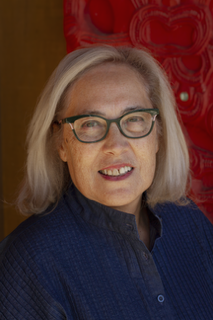
Gudnejahtton professor Smith lea riikkaidgaskasaččat dovddus ja allagit bálkkašuvvon dutki ja girječálli gii lea dovddus iežas bargguin dekoloniserenmetodologiijain, Kaupapa Māori ja Māori Education birra. Su girji Decolonising Methodologies Research and Indigenous Peoples lea goalmmát geardde almmuhuvvon ja lea jorgaluvvon máŋgga gillii. Son lea maid čállán mánáidgirjjiid ja lea almmuhan divttaid.
Gudnejahtton professor Smith lei Ngā Pae o Te Māramatanga vuođđudeaddji miel-direktevra, mii lea Māori dutkangelbbolašvuođaguovddáš ja sus leat leamaš máŋga bajit fágalaš virggi Auckland universitehtas ja Waikato universitehtas. Son lea doaibman dearvvašvuođadutkanráđis, Marsden-foanddaráđis, Ođđa Selándda Gonagaslaš searvvi ráđis ja lea dál Te Whare Wānanga o Awanuiārangi ráđi nubbejođiheaddji. Son lea Waitangi-duopmostuolu lahttu. Gudnejahtton professor Smith lea Amerihká oahpahusdutkansearvvi lahttu, Ođđa Selándda Gonagaslaš Searvvi lahttu ja Amerihká dáidda- ja dieđaakademiija ja USA nationála dieđaakademiija gudneriikkaidgaskasaš lahttu. Gudnejahtton professor Smith lea Ođđa Selándda ánssuid ortnega ovttasbargoguoibmi.
Su almmuhusat leat earret eará Decolonising Methodologies Research and Indigenous Peoples (1999, 2012, 2021) Zed Books Bloomsbury Publishing, Ora Healing Ourselves: Indigenous Knowledge, Healing and Wellbeing co-edited with Leonie Pihama (2023) Huia Publishing, The International Education of Indigenous ovttas Elizabeth McKinleyin (2017) Springer, ja A Civilizing Mission? Ođđa Selándda eamiálbmotskuvlavuogádaga ráhkadeapmi 1867-1969 (2001) ovttas čállojuvvon J. Simoniin, F. Cramiin, M. Hohepain ja S. McNaughtoniin. AUP. Son lea gieskat almmuhan vihtta mánáidgovvagirjji mat leat inspirerejuvvon su dutkamušain māoriid strategiijaid birra movt buoridit traumáhtas ja lea almmuhuvvon divttačálli.
- Loga Linda Tuhiwai Smitha abstrávtta (eŋgelasgillii)
Honouring the past while Educating for Indigenous Futures
What kinds of world/s are we educating for and what kind of Indigenous people/s are we educating to be in these world/s? My talk will ask and attempt to answer these questions.Our world conferences on Indigenous education ‘WIPCE’ have demonstrated how much Indigenous communities have grasped the potential of education (both formal and informal) to support aspirations for language, knowledge and cultural revitalisation. The breadth of professional and community knowledge and practice on these areas is inspiring. But what comes next? What do our future generations expect, aspire for and need to continue living and being Indigenous peoples, self-determining and free from the trauma of colonisation? What comes next, for example, once the language begins to thrive? Does that automatically mean the people will thrive, that our knowledge systems and cultures will thrive? Are we educating for perpetual struggle? These are some questions I invite you to contemplate alongside me.
Professor Rauna Kuokkanen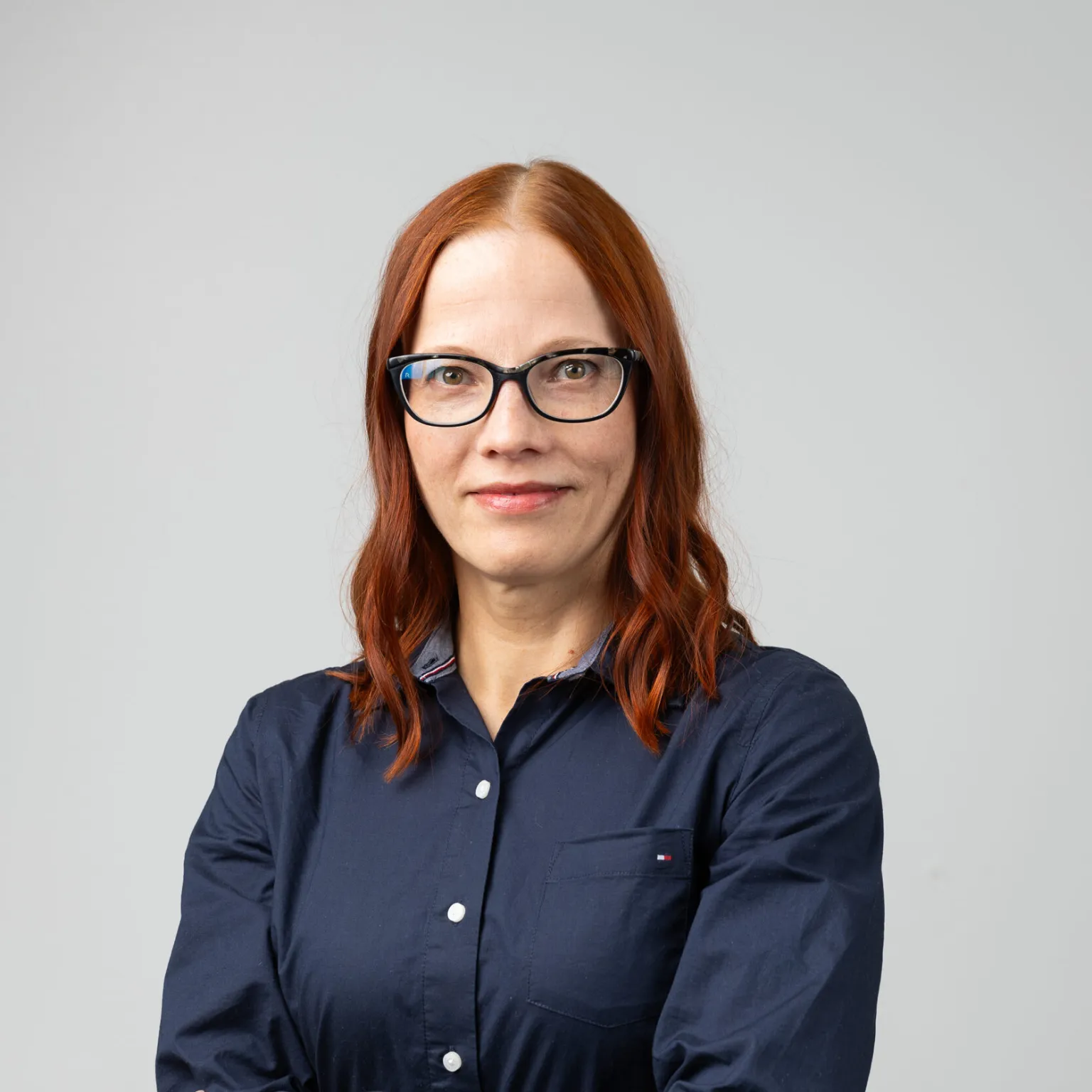
Jovnná Jon Ánne Kirstte Rávdná lea professor árktalaš eamiálbmotdutkamušas Lappi universitehtas, Roavvenjárggas ja eret Fierranjogas, Deatnogáttis. Ovdal dan son lei Toronto universitehta professor stáhtadiehtaga lágádusas ja eamiálbmotoahpuid prográmmas (2008-2018). Sus lea doavttirgráda (PhD) University of British Columbias Kanadas.
Su dálá dutkansuorggit leat veardádalli eamiálbmotpolitihkka, davviguovlluid eamiálbmogiid láhka- ja politihkalaš ortnegat, eamiálbmotfeminisma ja sohkabealleveahkaválddi iešguđet hámit. Son lei Fulbright Arctic Initiative Fellow jagiin 2021-2023, man olis son galledii Fairbanks, Alaska njukča-cuoŋománus 2022.
Dál son jođiha davviriikkalaš dutkanprošeavtta SápmiDem, Sámi demokráhtalaš oassálastin energiijamolsašumis: ovddidit vuoiggalašvuođa, legitimitehta ja oassálasti stivrema. SápmiDem čielggada mo buoridit sámiid oassálastima energiija sirdašumis. Dan ruhtada NordForsk ja dat bistá 2028 rádjai.
- Loga Rauna Kuokkanena abstrávtta
Ovttastallan ja siiddastallan – mo nannet sámi ságastallanvieruid (birgen dihtii girjás máilmmis otne ja ihttin)
Anishinabe nisu, dáiddár ja Idle No More lágideaddji Wanda Nanibush oktii ovddidii jurdaga das, mo eamiálbmotmánát galggašedje leat buot áššiid guovddážis. Son čuoččuhii ahte “mánát ja sin buresbirgejupmi lea vuosttaš ja maŋimuš gažaldat.” Maŋŋelis Nanibush čilgii iežas jurdaga: ideálalaččat eamiálbmot iešmearrideames mánát eai livčče dušše servodateallima muhto maiddái buot politihkalaš mearrádusaid guovddážis nu ahte buot mearrádusat dahkkojuvvojit máná buresbirgejumi vuođul. Jurdda ahte mánát ja sin buresbirgejupmi lea “vuosttaš ja maŋimuš gažaldat” dáidá leat maiddái eamiálbmot- ja sámi oahpahusa váimmožis. Iežan sáhkavuorus áiggun guorahallat Nanibusha evttohusa sámi Ovttastallan ja Siiddastallan –geavadagaid bokte. Dasa lassin ovdanbuvttán hástalusa sámi oahpaheddjiide ja pedagogaide sámi ságastallandáidduid ja -kultuvrra oahpaheames sámi mánáide juo unnivuođa rájes. Mun čilgen manin dát lea dárbbašlaš birgen dihtii girjás máilmmis odne ja ihttin, nugo konferánssa váldo tema maid namuha.
Professor Ylva Jannok Nutti
Ylva Jannok Nutti lea professor pedagogihkas Sámi oahpaheaddjeoahpogoađis Sámi allaskuvllas, ja lea leamaš prorektor 2019–2023. 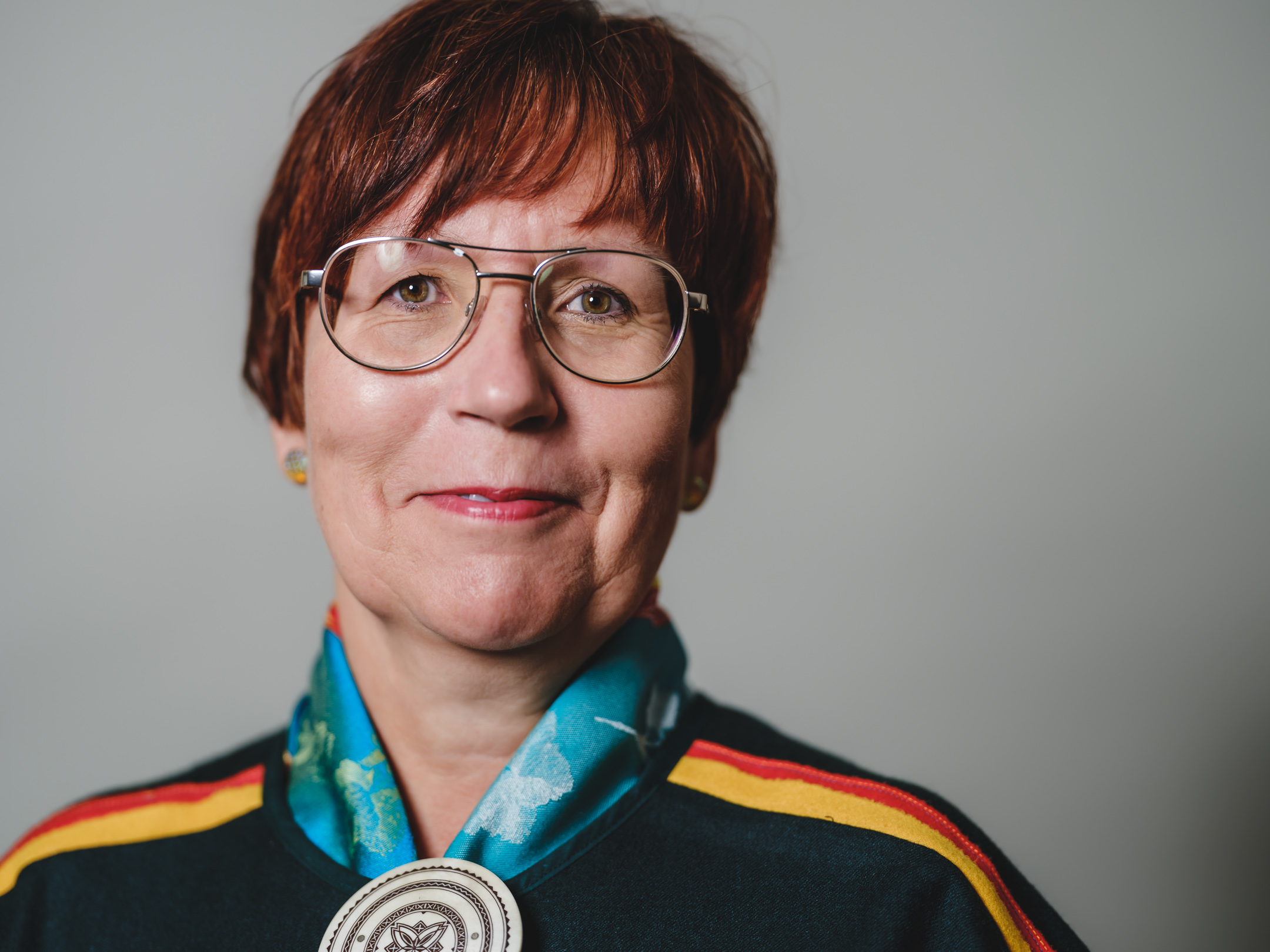 Son gárve vuođđoskuvlaoahpaheaddjeoahppu 1998:s ja barggai oahpaheaddjin Sámeskuvllas Johkamohkis, gos álggii ovddidit sámi árbevirolaš máhtu oahpahusas. Son válbmii 2007:s lisensiáhtas ja 2010:s doavttergráda pedagogihkas Luleå teknihkalaš universitehtas. Su dutkan čuovvu sámi olgopedagogihkka, oahpaheaddjeoahppu ja dekoloniserema vugiid, ja geavaha akšuvdnadutkama ja etnografiija metodologiijan dutkangeahčastagain, main váldo jurddašeamit čuovvut oahppama ja árbevirolaš máhtu eamiálbmotfilosofiija ja meahcci pedagogihka guovllus.
Son lea prográmmajođiheaddji vuođđoskuvlaoahpaheaddjeoahppu álgooahpahusmasterprográmmii ja jođiha Eatnama mánát-dutkanprošeavtta. Su ođđa almmuhusat, nugo “Enhancing Storytelling about Skábma Traditions in Early Childhood Education and Care” (Nordisk tidsskrift for pedagogikk og kritikk) ja “Being, Exploring, and Playing Outdoors” (Global Studies of Childhood, 2024), čájehit su beroštumi pedagogihkka, dutkan ja ovdáneami birra. Eanet almmuhusaid gávnnat dás.
- Loga Ylva Jannok Nutti abstrávtta
Eamiálbmot eallinoaidnu ja árbevirolaš máhttu oahpahusas: Oahpaheaddjit guovddážis sámi oahpahusa ollašuhttimis
Sámi eallinoaidnu ja árbevirolaš máhttu ollašuhttojuvvojit sámi vuođđoskuvlla oahpahusas oassin eamiálbmogiid barggus bisuhit giela, árbevirolaš máhttu ja relašuvnnaid eatnamiin oahpahusa bokte. Oahpahus ipmirduvvo ehtalaš ja kultuvrralaš sajádahkan gos lea ovddasvástádus mánáid eallinmáilmmi, giela ja kultuvrra ektui. Per Fokstad oahppofilosofiija vuođul oahpahus dárkkistuvvo ehtalaš čatnaseapmin mii vuođđuduvvá ráhkisvuođas eatnigillii, kultuvrra seailluheapmái ja ovddasvástádusas sámi mánáid eallima ektui. Dán oktavuođas eana ii leat dušše biras, muhto máhttoguoddi mii lea guovddážis eamiálbmogiid diehtovuogádagain. Sáhkavuorru vuođđuduvvá kvalitatiivvalaš dutkamii, mii sisttisdoallá jearahallamiid ja áicamiid sámi vuođđoskuvllain. Dat guorahallá mo sámi eallinoaidnu ja árbevirolaš máhttu bohtet oidnosii beaivválaš oahpahusas pedagogalaš válljemiid, giela geavaheami ja relašuvnnaid bokte. Seammás dárkkistuvvojit struktuvrralaš hástalusat, nugo oahpponeavvuid váilevašvuohta, áigeráddjehusat, giela molsašupmi ja assimilašuvdnapolitihka árbi, mat váikkuhit sámi oahpahusa doaibmanvejolašvuođaide. Sámi oahpahus vuođđuduvvá oahpaheddjiid ámmátlaš gelbbolašvuhtii hukset lagas relašuvnnaid ohppiiguin ja dahkat ehtalaš ja diđolaš pedagogalaš válljemiid. Oahpaheaddjit leat guovddáš rollas eamiálbmot oahpahusa ollašuhttimis ja sámáidahttimis skuvllas.
Guosselogaldallit
Dr. Angie Zerella
Dr. Angie Zerella lea bargan ovdaskuvlaoahpaheaddji ámmáhiin Austrálias badjel 41 jagi ja sus lea viiddis gelbbolašvuohta.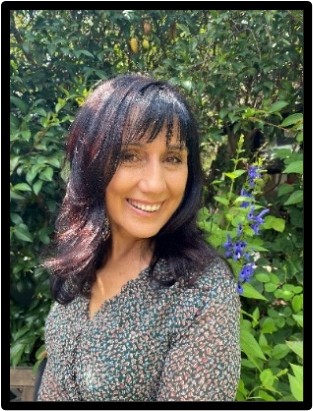 Son lea hárjánan ovdaskuvlakonsuleanta, oahpaheaddji ja rávisolbmuidoahpaheaddji alit oahpus ja joatkkaoahpus (TAFE), servodatvuođđuduvvon ja universitehta oktavuođain. Son lea searvan ollu konferánssaide ja logaldallin ja váldologaldallin.
Angie áŋgiruššá sosiála vuoiggalašvuođa ovddas ja álgoálbmotmánáid, -bearrašiid ja -servodagaid iešmearridanrievtti ovddas ja dat stivre su barggu. Sus lea viiddis hárjáneapmi bargat boaittobeale Aboriginalaš servodagain Northern Territory guovllus, Austrálias, ja son lea huksen mánáidgárdeoahpaheaddji bargofámu kapasitehta Aboriginalaš servodagain, go lea addán ja árvvoštallan Certificate III ja Diploma of Early Childhood Education and Care kvalifikašuvnnaid.
Angie lea bargan ovttas Bubup Wilam Aboriginal Child and Family Centre:in, Melbourne gávpogis, Austrálias, maŋimuš golbmanuppelogi jagi doarjun dihtii sin oažžut sin mánáidgárdeoahpaheaddji oahpahusa doaibmat Aboriginal Community Control bokte, ovttasbarggus Aboriginal stivrenjoavkkuin ja Aboriginal CEO:in. Dása gullá doarjut Bubup Wilam Approach Aboriginal Early Childhood Education ja Registered Training Organisation ovdáneami, mas mielde maiddái bargoveaga ovdáneapmi ja sin Aboriginal árra bajásgeassima pedagogaid ovdánahttinplánen.
Angie čađahii PhD 2025:s Bubup Wilam bovdehusa ja ovttasbarggu bokte. Son guorahalai ja duođaštii Bubup Wilam lahkoneami aborigiinnalaš árra bajásgeassin oahpahussii. Angie bargá ain lahka Bubup Wilam:in ja lea maiddái virggis Moondani Balluk Indigenous Unit:s Victoria University, Melbourne, Victoria, ja doarjume sin barggu eamiálbmotdahttit ja dekoloniseret universiteahta ja oahppoplánaid.
- Loga Dr. Angie Zerella abstrávtta (eŋgelasgillii)
The harmful impacts of research on First Nations peoples by dominant groups is well-evidenced. As a result, there is a deep-seated mistrust of research among First Nations peoples and communities. First Nations peoples are now asserting their rights to sovereignty throughout the entire research process including ownership over the research and intellectual property. This ensures First Nations control, voices and perspectives are central to the work being conducted, and the research remains relevant and of benefit to First Nation’s communities.
This presentation explores an Aboriginal Community Controlled and led research project in Australia, undertaken by a non-Aboriginal researcher as a part of a PhD study. It will demonstrate the way in which the Aboriginal community led the research and how the researcher worked within such a framework, including the approach to community ethics and the preservation of rights to intellectual property.
Having walked in solidarity with the community for 13 years, supporting them to bring their vision to life, the presenter was invited by the Aboriginal community to undertake this study with the aim to articulate the Bubup Wilam Approach to Aboriginal early years education. This presentation will illuminate the importance of the shared knowledge systems coming together to ensure the model’s success in both the Aboriginal and mainstream early childhood contexts. Central to this is Aboriginal Community Control ensuring cultural integrity and cultural authenticity in both the research and in the development of this model of Aboriginal excellence in early years pedagogy and practice.
Dr. Valerie Shirley ja Dr. Jeremy Garcia
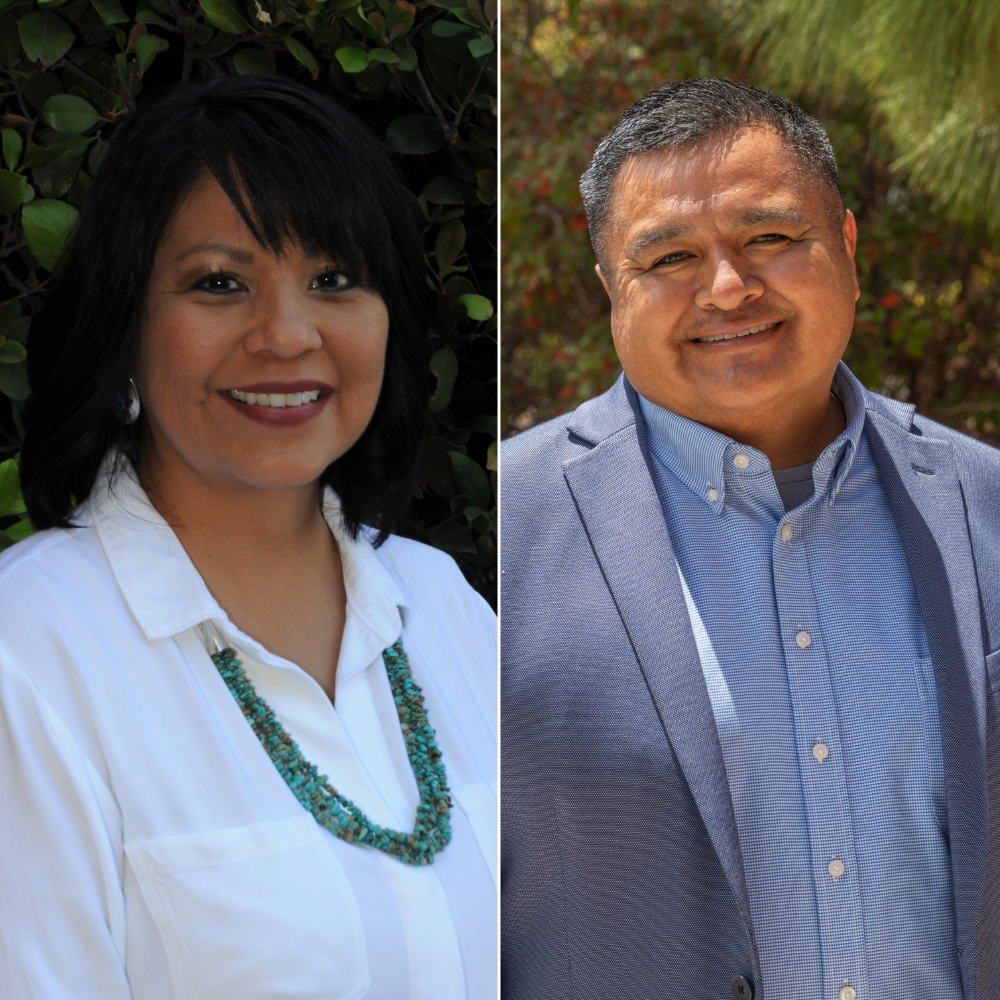
Valerie Shirley (Diné) an Associate Professor of Indigenous Education in the Department of Teaching, Learning, and Sociocultural Studies in the College of Education at the University of Arizona. She is also a co-founding Director of the Indigenous Teacher Education Program (ITEP) which prepares Indigenous teachers to critically examine western schooling structures and to be intentional in infusing Indigenous knowledges, philosophies, and languages into learning spaces. Dr. Shirley’s current work is centered on mobilizing decolonial praxis and resurgence through critical Indigenous theories and pedagogies with Indigenous youth, teachers, and teacher candidates. Her recent publications are a co-edited book titled Indigenizing education: Transformative research, theories, and praxis (2022); a journal article titled Grounding Indigenous teacher education in red praxis (2021), and a book chapter titled Enacting Indigenous research methods: Centering Diné epistemology to guide the process (2019).
Jeremy Garcia, (Hopi/Tewa) is Associate Professor of Indigenous Education in the Department of Teaching, Learning, and Sociocultural Studies in the College of Education at the University of Arizona. He is a member of the Hopi/Tewa Tribes. He is of the Hospoawungwa (Roadrunner) clan. He is co-founding Director of the Indigenous Teacher Education Program (ITEP). He served as Interim Assistant Vice Provost of Native American Initiatives in the Office of the Provosts at the University of Arizona. Prior to joining University of Arizona, he was an Assistant Professor in the School of Education’s Department of Curriculum and Instruction and an Endowed Professor of the Electa Quinney Institute for American Indian Education at the University of Wisconsin-Milwaukee (UWM). He received a doctorate degree in Curriculum Studies from Purdue University and co-led the development of the first Native American Educational and Cultural Center there.
Grounded in critical Indigenous research methodologies, his research focuses on decolonization, critical Indigenous curriculum and pedagogy, Indigenous teacher education, and critical and culturally sustaining family and community engagement. Garcia’s publications include a co-edited book, Indigenizing Education: Transformative Research, Theories, and Praxis (2022) and a co-edited chapter Indigenous youth and families: From schooling contexts to spaces of stewardship and resistance (2023) and a co-edited handbook chapter, The struggles and triumphs of Indigenous teacher education in Canada and the United States (2022).
- Read Valerie Shirley and Jeremy Garcia’s abstract
Critical Indigenous theories and pedagogies offer new ways to reconceptualize what it means to prepare educators serving Indigenous students, schools, and communities. Such theoretical orientations move us to be intentional in privileging and sustaining Indigenous values and knowledges that embody notions of resistance, resurgence, agency, and sovereignty. Drs. Shirley & Garcia will share the unique process of preparing critical Indigenous teachers within the Indigenous Teacher Education Program at the University of Arizona. They will take up the question of: What are Indigenous alternatives that center the resurgence of Indigenous knowledge systems and sustain Indigenous futures?
Title: Around the Fireplace Teachings: Indigenous Resurgence Through Teacher Education