Keynote and guest speakers of Sámi and Indigenous Education Conference 2026
Keynote speakers
Distinguished Professor Linda Tuhiwai Smith
Dr Linda Tuhiwai Smith is a Distinguished Professor at Te Whare Wānanga o Awanuiārangi in Whakatane New Zealand. She is Māori and from the iwi of Ngāti Awa, Ngāti Porou, Tuhourangi and Ngāti Paoa. She is Deputy Chair of the Council of e Whare Wānanga o Awanuiārangi and is on the Board of Te Atawhai O Te Ao an Independent Māori Researcn Institute based in Whanganui. 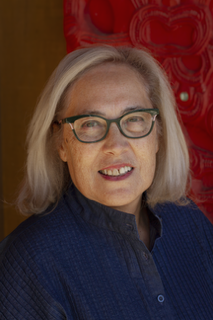
Distinguished Professor Smith is an internationally renowned and highly awarded researcher, scholar and writer known for her work on Decolonising Methodologies, Kaupapa Māori and Māori Education. Her book Decolonising Methodologies Research and Indigenous Peoples is in its 3rd Edition and has been translated into several languages. She has also written children’s books and is a published poet.
Distinguished Professor Smith was the founding Co-Director of Ngā Pae o Te Māramatanga the Māori Centre of Research Excellence and has held several senior academic roles at the University of Auckland and Waikato University. She has served on the Health Research Council, the Marsden Fund Council, the Royal Society of New Zealand Council and is currently Deputy Chair of Council of Te Whare Wānanga o Awanuiārangi. She is a lay member of the Waitangi Tribunal. Distinguished Professor Smith is a Fellow of the American Education Research Association, a Fellow of the Royal Society of New Zealand and an Honorary International Member of the American Academy of Arts and Sciences and the US National Academy of Sciences. Distinguished Professor Smith is a Companion of the New Zealand Order of Merit.
Her publications include Decolonising Methodologies Research and Indigenous Peoples (1999, 2012, 2021) Zed Books Bloomsbury Publishing, Ora Healing Ourselves: Indigenous Knowledge, Healing and Wellbeing co-edittted with Leonie Pihama (2023) Huia Publishing, The International Handbook of Indigenous Education co-editted with Elizabeth McKinley (2017) Springer, and A Civilising Mission? The Making of New Zealand’s Native School System 1867-1969 (2001) co-edited with J. Simon, F. Cram, M. Hohepa and S.McNaughton. AUP. She has recently published five children’s picture books inspired by her research on Māori strategies for healing from trauma and is a published poet.
- Read Professor Linda Tuhiwai Smith’s abstract
Honouring the past while Educating for Indigenous Futures
What kinds of world/s are we educating for and what kind of Indigenous people/s are we educating to be in these world/s? My talk will ask and attempt to answer these questions.Our world conferences on Indigenous education ‘WIPCE’ have demonstrated how much Indigenous communities have grasped the potential of education (both formal and informal) to support aspirations for language, knowledge and cultural revitalisation. The breadth of professional and community knowledge and practice on these areas is inspiring. But what comes next? What do our future generations expect, aspire for and need to continue living and being Indigenous peoples, self-determining and free from the trauma of colonisation? What comes next, for example, once the language begins to thrive? Does that automatically mean the people will thrive, that our knowledge systems and cultures will thrive? Are we educating for perpetual struggle? These are some questions I invite you to contemplate alongside me.
Professor Rauna Kuokkanen
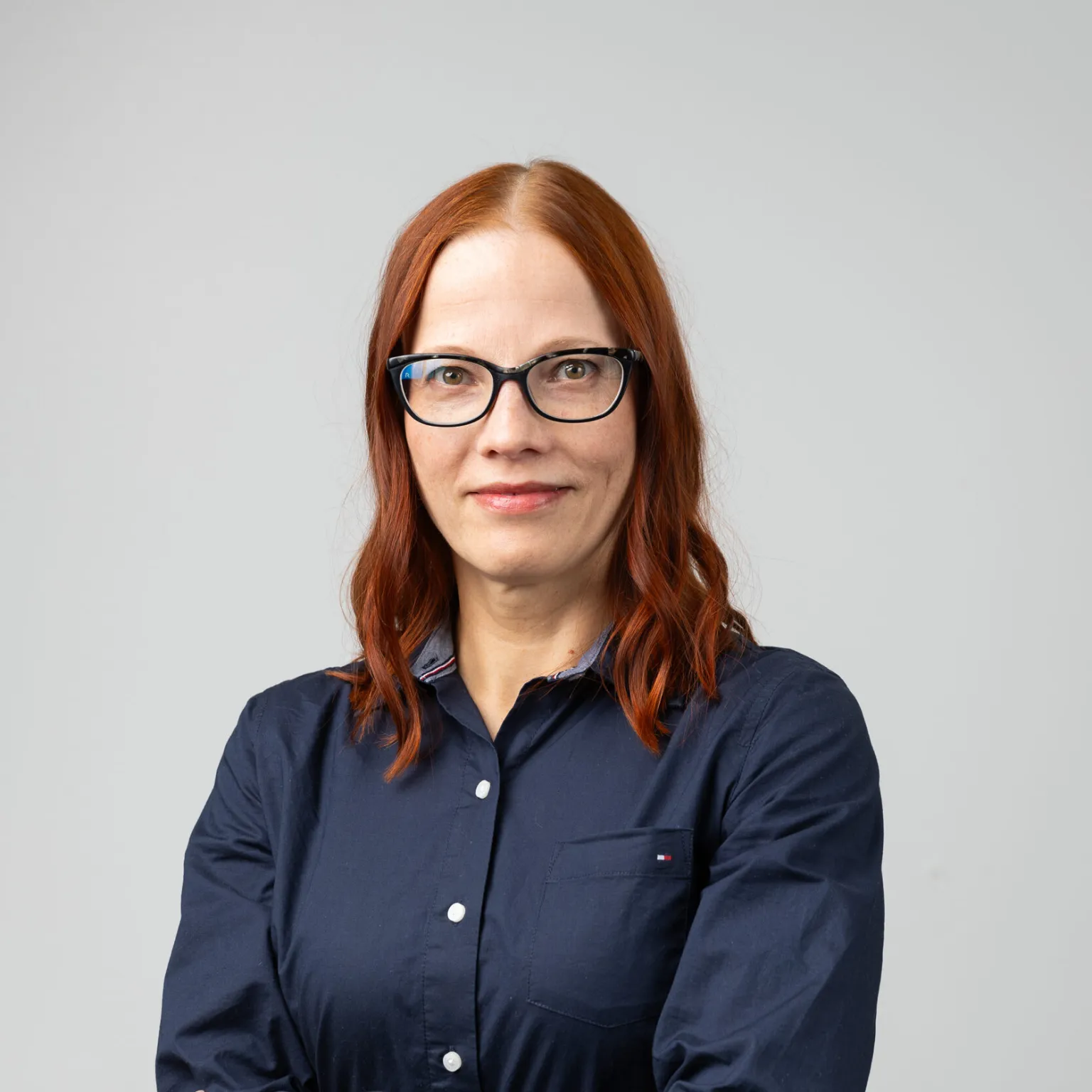 Jovnná Jon Ánne Kirstte Rávdná is Professor of Arctic Indigenous Studies at the University of Lapland in Rovaniemi and comes from Fierranjohka by the Deatnu/Tana River. Prior to this, she was Professor in the Department of Political Science and the Indigenous Studies Program at the University of Toronto (2008–2018). She holds a PhD from the University of British Columbia, Canada.
Her current research fields include comparative Indigenous politics, legal and political systems of Indigenous peoples in the Arctic, Indigenous feminism, and various forms of gender-based violence. She was a Fulbright Arctic Initiative Fellow from 2021 to 2023 and was a visiting scholar in Fairbanks, Alaska, in February–March 2022.
She currently leads the Nordic research project SápmiDem – Sámi Democratic Participation in the Energy Transition: Advancing Justice, Legitimacy, and Participatory Governance. SápmiDem examines how Sámi participation in the energy transition can be improved. The project is funded by NordForsk and runs until 2028.
Read more about her and her research projects here
- Read Professor Rauna Kuokkanen’s abstract
Ovttastallan and Siiddastallan – how to strengthen Sámi deliberation practices (to thrive in a diverse world today and tomorrow)
Anishinabekwe artist and an Idle No More organizer Wanda Nanibush once made a passionate case for the centrality of Indigenous children, arguing that “children and their wellbeing is the first and last question.” Later, Nanibush elaborated her point: ideally in Indigenous governance systems, children would be not only at the center of the community life but ultimately, of all political decision-making so that “all decisions made are actually about the child.” The idea of children and their wellbeing being “the first and last question” is probably at the heart of Indigenous and Sámi education as well. In my talk, I will consider Nanibush’s suggestion by discussing Sámi practices of Ovttastallan and Siiddastallan. I also present a challenge to Sámi educators to teach and strengthen deliberation skills and culture to Sámi children from an early age. I explain why this is necessary for thriving in a diverse world today and tomorrow, as the conference byline also suggests.
Professor Ylva Jannok Nutti
Ylva Jannok Nutti is Professor in Education at the Sámi Teacher Education Department at Sámi University of Applied Sciences, and she served as Vice-Rector from 2019 to 2023. 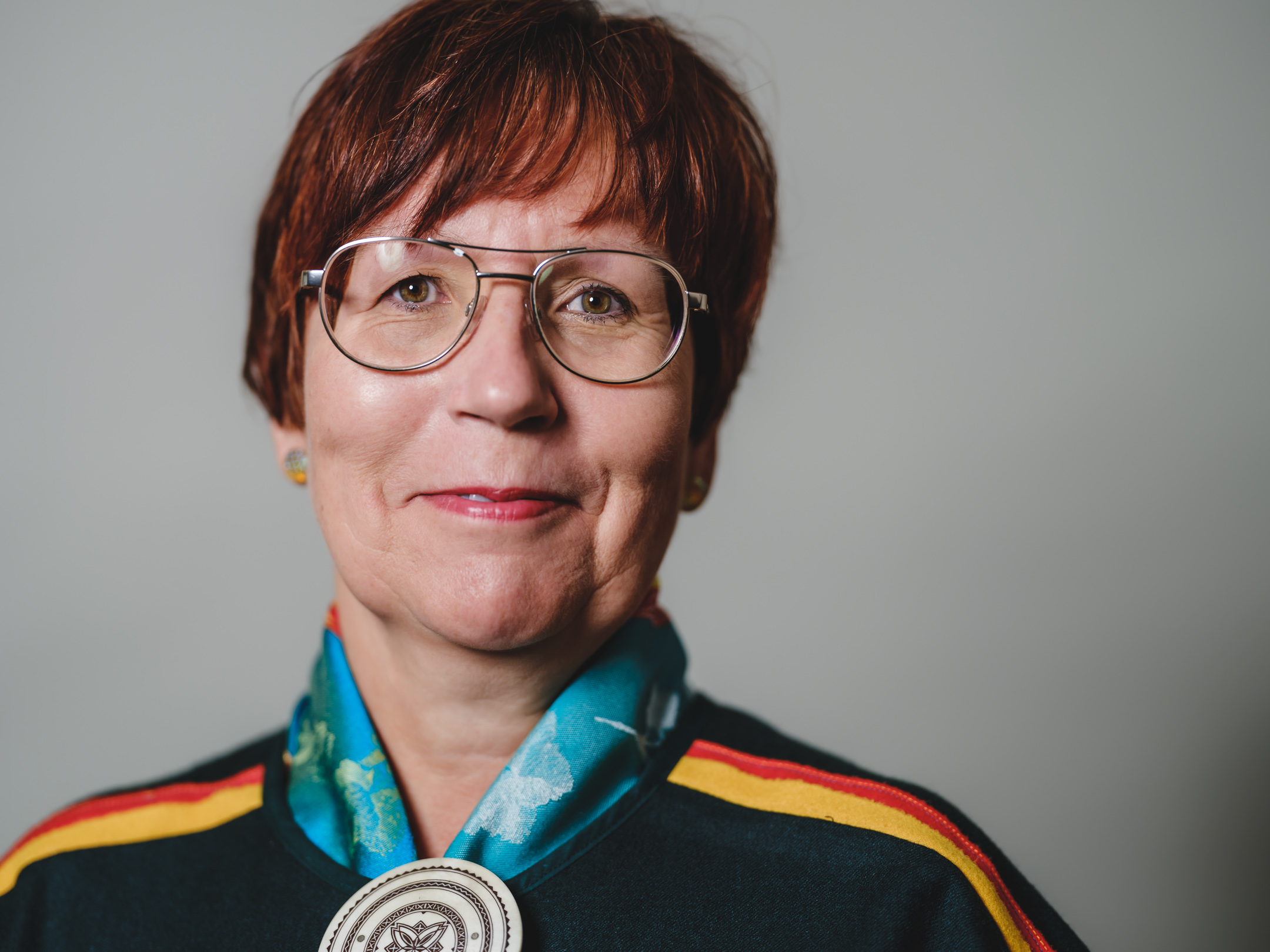 She completed her primary school teacher education in 1998 and worked as a teacher at the Sámi School in Jokkmokk, where she began developing Sámi traditional knowledge in education. She completed her Licentiate degree in 2007 and earned her PhD in Pedagogy in 2010 from Luleå University of Technology.
Her research focuses on Sámi outdoor education, teacher education, and decolonizing approaches, using action research and ethnography as methodological perspectives. Her main theoretical frameworks are grounded in Indigenous philosophy of learning and traditional knowledge, with a particular emphasis on land-based pedagogy.
She is the Programme Director of the Primary School Teacher Education track within the Master’s Programme in Early Childhood Education and leads the research project Eatnama mánát. Her recent publications, such as “Enhancing Storytelling about Skábma Traditions in Early Childhood Education and Care” (Nordisk tidsskrift for pedagogikk og kritikk) and “Being, Exploring, and Playing Outdoors” (Global Studies of Childhood, 2024), reflect her strong interest in pedagogy, research, and educational development.
More publications can be found here.
- Read Professor Ylva Jannok Nutti’s abstract
Sustaining Indigenous Language and Living Knowledge: Teachers as Keepers of Continuity in Sámi Schooling
Sámi knowledge and worldview are enacted in Sámi primary schools as part of broader Indigenous efforts to sustain language, traditional knowledge, and relational connections to eana (land) through education. Schooling is understood as a space of relational responsibility and cultural and linguistic dignity for Indigenous children. Within this perspective, eana is not merely a backdrop, but a living and knowledge-bearing presence central to Indigenous ways of knowing. Drawing on the educational philosophy of Per Fokstad, education is framed as an ethical commitment grounded in love for the mother tongue, cultural continuity, and responsibility toward Sámi children’s lived realities. The talk draws on qualitative interviews and classroom observations in Sámi primary schools. It explores how Sámi epistemologies are expressed through everyday pedagogical choices, relationships, and language practices, while also acknowledging the challenges teachers navigate: limited Sámi teaching materials, time pressure, language shift, and the enduring legacy of assimilation policies. Sámi education derives its strength from teachers’ relational awareness and ethical positioning. Through their daily work—often carried out within structural constraints—Sámi teachers sustain living knowledge systems and contribute to Indigenous educational continuity, renewal, and future-making.
Guest speakers
Dr. Angie Zerella
Dr Angie Zerella has been working in the Early Childhood Education profession in Australia for over 41 years across a diverse range of services. She is an experienced early years’ consultant, presenter and adult educator within tertiary and further education (TAFE), community-based and university settings. She has attended many conferences and functions as a presenter and keynote speaker. 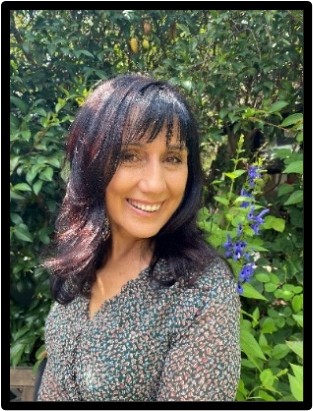
Angie’s passion for social justice and self-determination of First Nation’s children, families and communities drives her work. She has extensive experience working in remote Aboriginal communities in the Northern Territory, Australia, building the early childhood workforce capacity of Aboriginal people within their communities, through the delivery and assessment of the Certificate III and Diploma of Early Childhood Education and Care qualifications.
Angie has been working alongside Bubup Wilam Aboriginal Child and Family Centre, in Melbourne, Australia for the last thirteen years supporting them to bring their early years education vision to life through Aboriginal Community Control, in collaboration with the Aboriginal board of management and Aboriginal CEO. This incorporates supporting the development of the Bubup Wilam Approach to Aboriginal Early Childhood Education and development of the onsite Registered Training Organisation, including the workforce development and succession planning of their Aboriginal early years’ educators.
Angie completed her PhD in 2025 through invitation and in collaboration with Bubup Wilam exploring and documenting the Bubup Wilam Approach to Aboriginal Early Childhood Education. Angie still works closely with Bubup Wilam and is also employed at Moondani Balluk Indigenous Unit at Victoria University, Melbourne, Victoria, supporting their work in Indigensing and decolonising the university and curricula.
- Read Dr. Angie Zerella’s abstract
The harmful impacts of research on First Nations peoples by dominant groups is well-evidenced. As a result, there is a deep-seated mistrust of research among First Nations peoples and communities. First Nations peoples are now asserting their rights to sovereignty throughout the entire research process including ownership over the research and intellectual property. This ensures First Nations control, voices and perspectives are central to the work being conducted, and the research remains relevant and of benefit to First Nation’s communities.
This presentation explores an Aboriginal Community Controlled and led research project in Australia, undertaken by a non-Aboriginal researcher as a part of a PhD study. It will demonstrate the way in which the Aboriginal community led the research and how the researcher worked within such a framework, including the approach to community ethics and the preservation of rights to intellectual property.
Having walked in solidarity with the community for 13 years, supporting them to bring their vision to life, the presenter was invited by the Aboriginal community to undertake this study with the aim to articulate the Bubup Wilam Approach to Aboriginal early years education. This presentation will illuminate the importance of the shared knowledge systems coming together to ensure the model’s success in both the Aboriginal and mainstream early childhood contexts. Central to this is Aboriginal Community Control ensuring cultural integrity and cultural authenticity in both the research and in the development of this model of Aboriginal excellence in early years pedagogy and practice.
Dr. Valerie Shirley and Dr. Jeremy Garcia
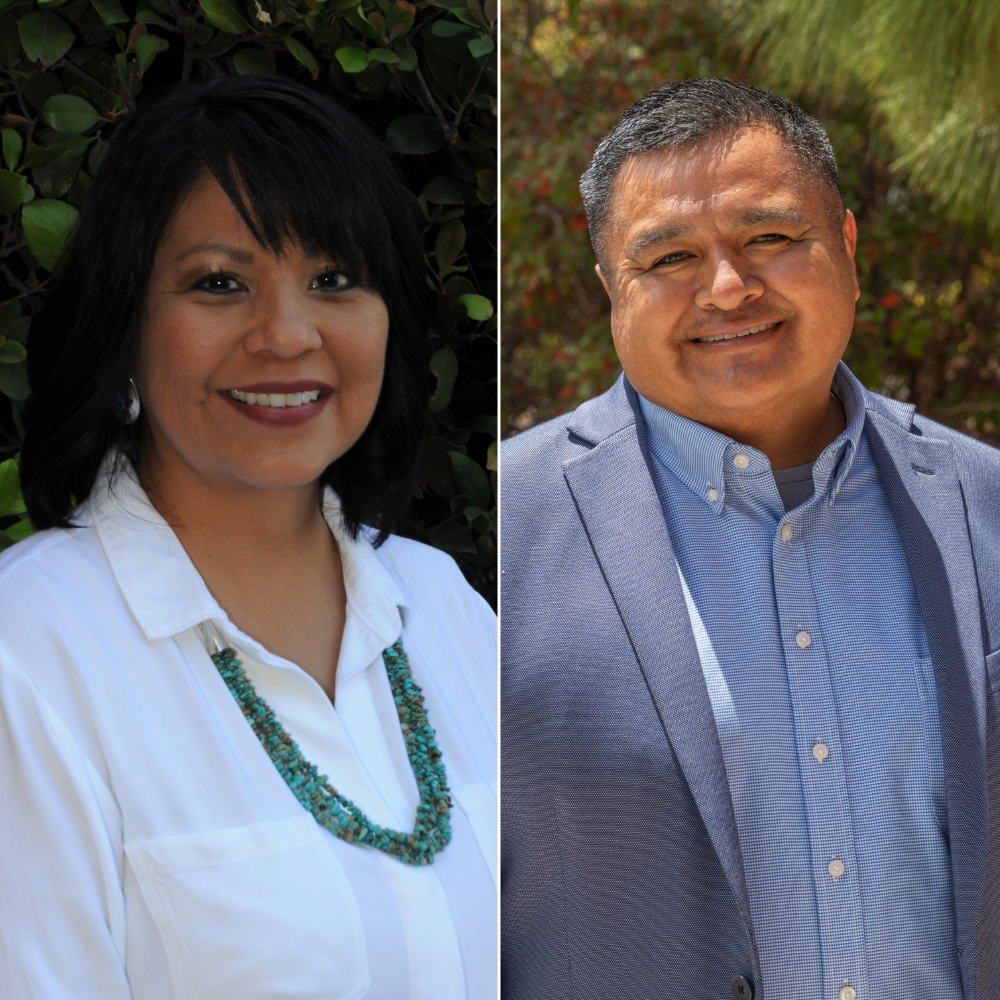 Valerie Shirley (Diné) an Associate Professor of Indigenous Education in the Department of Teaching, Learning, and Sociocultural Studies in the College of Education at the University of Arizona. She is also a co-founding Director of the Indigenous Teacher Education Program (ITEP) which prepares Indigenous teachers to critically examine western schooling structures and to be intentional in infusing Indigenous knowledges, philosophies, and languages into learning spaces. Dr. Shirley’s current work is centered on mobilizing decolonial praxis and resurgence through critical Indigenous theories and pedagogies with Indigenous youth, teachers, and teacher candidates. Her recent publications are a co-edited book titled Indigenizing education: Transformative research, theories, and praxis (2022); a journal article titled Grounding Indigenous teacher education in red praxis (2021), and a book chapter titled Enacting Indigenous research methods: Centering Diné epistemology to guide the process (2019).
Jeremy Garcia, (Hopi/Tewa) is Associate Professor of Indigenous Education in the Department of Teaching, Learning, and Sociocultural Studies in the College of Education at the University of Arizona. He is a member of the Hopi/Tewa Tribes. He is of the Hospoawungwa (Roadrunner) clan. He is co-founding Director of the Indigenous Teacher Education Program (ITEP). He served as Interim Assistant Vice Provost of Native American Initiatives in the Office of the Provosts at the University of Arizona. Prior to joining University of Arizona, he was an Assistant Professor in the School of Education’s Department of Curriculum and Instruction and an Endowed Professor of the Electa Quinney Institute for American Indian Education at the University of Wisconsin-Milwaukee (UWM). He received a doctorate degree in Curriculum Studies from Purdue University and co-led the development of the first Native American Educational and Cultural Center there.
Grounded in critical Indigenous research methodologies, his research focuses on decolonization, critical Indigenous curriculum and pedagogy, Indigenous teacher education, and critical and culturally sustaining family and community engagement. Garcia’s publications include a co-edited book, Indigenizing Education: Transformative Research, Theories, and Praxis (2022) and a co-edited chapter Indigenous youth and families: From schooling contexts to spaces of stewardship and resistance (2023) and a co-edited handbook chapter, The struggles and triumphs of Indigenous teacher education in Canada and the United States (2022).
- Read Valerie Shirley and Jeremy Garcia’s abstract
Critical Indigenous theories and pedagogies offer new ways to reconceptualize what it means to prepare educators serving Indigenous students, schools, and communities. Such theoretical orientations move us to be intentional in privileging and sustaining Indigenous values and knowledges that embody notions of resistance, resurgence, agency, and sovereignty. Drs. Shirley & Garcia will share the unique process of preparing critical Indigenous teachers within the Indigenous Teacher Education Program at the University of Arizona. They will take up the question of: What are Indigenous alternatives that center the resurgence of Indigenous knowledge systems and sustain Indigenous futures?
Title: Around the Fireplace Teachings: Indigenous Resurgence Through Teacher Education